AddThis


Free Lunch and Learn Health Workshop for Women

Free Lunch and Learn Health Workshop for Women (Click Here for more INFO)
Free Lunch and Learn Workshop for Women
Join us Tuesday, October 19th from 12-1pm for a fun and informative
lunchtime workshop where we will discuss various
topics on women’s health. Lunch will be provided. This event is
free and open to the public, but we do ask that you RSVP by
Monday, October 18th. (Please let them know CFF sent you!)
How Safe is YOUR Drinking Water?

 How Safe is YOUR Drinking Water?
Do you know the level of exposure you and your family may be experiencing on a daily basis?
Fact:
Lead in your water can damage the nervous system and reduce the intelligence capabilities of children.
Fact:
Bacteria and/or high sulfate levels can have adverse effects on the gastrointestinal system. Fact:
Atrazine and other common herbicides, industrial chemicals and pesticides can cause tumor growth.
Fact:
Municipal systems are only responsible for water quality leaving treatment facilities, not the water you drink in your home.
As a society on a whole we ingest thousands of bacteria and organisms on a daily basis that our body is forced to fight off. It is any wonder we have a rise in cancers, weight gain, obesity, and many other diseases.
- What are we doing to make sure not only are we getting the purest of water?
- What are we doing to provide a safe household for our children, family and friends?
- How are we protecting them?
- What happens when there is a main water break and we are told not to use the water for hours or days and all the bottle water in the stores are gone?
- How will we feed our families, bath and so forth?
The only way to make sure you are getting the healthiest water with out paying for bottle water all the time is to have your own purification system. I am not referring to a water filter, I am referring to a purification system. Check out the video above to learn the difference.
For more information on the best purification system in the market check out this link:
http://www.amway.com/Shop/Search/SearchResults.aspx?searchkeyword=espring&pwsID=jhwaller
Green Products that are SAFE for the Environment
Ever wonder if there will ever be some cleaning products out there that are safe for the family, safe for the kids and safe on your surfaces. Plus it works like a charm.
Check this out: Mildly abrasive Soft Cleanser uses natural resources like crushed marble, washing soda, and orange oil, to cut through soil and grime but go easy on scratch-prone surfaces. Everything finishes pristine and clean. So it’s all smooth sailing from here.Just check out the video and see how this awesome product compares to other products in the market..
Oh and, it is dermatologist-tested. Has no phosphates, chlorine, or other unpleasant ingredients that could harm the environment.Everyday Fitness
 Everyday Fitness
http://blogs.webmd.com/pamela-peeke-md/2010/06/the-secret-to-lifelong-weight-maintenance.html?ecd=wnl_lbt_060910_crg_pfx
Living life to the fullest is all about striving for a mind-body balance every day. Achieve a mental, nutritional, and physical transformation for life with tips from wellness expert Pamela Peeke, MD.
Take a look at my Diet Community and you’ll see a discussion group that I entitled “I was doing just fine with my weight management program UNTIL___.” This was a real hit, with countless postings ranging from words of wisdom, “Get serious about getting rid of over eating triggers, even if it means your husband!” to pleas for help, “No matter what I do, I only seem to last no more than 2 or 3 months and then I fall apart, once again.”
Based upon this discussion group and my daily interactions with patients who are slugging it out striving to maintain their weight removal achievements, I’ve decided to concentrate on one key element of lifelong weight maintenance – vigilance.
Vigilance is the state of being vigilant, the Latin derivation of which means to keep watch, stay awake and be watchful, especially to avoid danger. It doesn’t mean you have to turn yourself into a crazed obsessed worrier. It simply means be on red alert for those situations when you know you’ll be more vulnerable to self-destructive habits.
For example, let’s say you’ve never had a problem eating a healthy breakfast and lunch. But when 3 PM rolls around, you’re fighting a well-entrenched habit of sauntering over to the vending machines and loading up on candy and cookies. This is when you must be much more vigilant and become acutely aware of your choices and actions. Red alert times are when you tend to a become a food zombie, mindlessly deferring to old habits, and then awakening from a binge coma to realize with shock and horror that you’ve just downed a mountain of food.
In addition to times of day, sometimes we’re hit with one of life’s curve balls and your best healthy lifestyle intentions can easily and mindlessly fall by the wayside. Carole is a 45-year-old mother of 3 with a strong family history of serious obesity. She’d been an athletic woman, giving birth to three fabulous boys, and life was going well until one of her son’s was diagnosed with a medical condition. Being the ultimate caregiver, she dropped her healthy habits and promptly allowed her genes to take over.
Remember my favorite saying: “Genetics may load the gun, but environment pulls the trigger.” She’d kept her genes at bay until she was seriously challenged. The good news is that her son came through with flying colors. The bad news was she gained 130 pounds over the course of 3 years. Talk about a long food coma. Once she was ready to make the change, she reversed her habits and shed the 130 pounds and for three years maintained her newly fit self quite well.
Then, she got hit with another caregiver sledgehammer when her aging mother became demented and unmanageable, draining her mental and physical energy with endless doctor’s visits and terrible temper tantrums. 50 pounds later, Carole awakened from her food trance long enough to realize that instead of donning her nice form fitting clothes, she was back to elastic. She literally had no memory of passing through 4 dress sizes. Such is the power of dissociation. At one point, Carole looked at me and said in a voice of disbelief, “I thought I was there. You know. I’d reached my goal and I was going to stay there for life no matter what stress happened. Boy, was I wrong.”
Carole dropped her vigilance and voila, the weight was back.
Thankfully, Carole learned her lesson and so will you. Here are mindfulness tips and tools to keep you vigilant and help you succeed at maintaining your lifelong weight management journey:
1. Once you reach your “there,” you have to work to maintain it. First up, get it out of your mind that some mythical fairy tale easy life “there” exists. You can never achieve a weight goal and just expect to maintain that accomplishment without continuous work. You may have shed 50 pounds and be happy at this moment. But if you let it go, and you don’t continue the very same healthy lifestyle habits that helped you reach your goal, you’ll regain the weight.
2. Plan for your red alerts. Take a moment and make a list of the kinds of stresses that have usually kicked you right into self- destruction. Any person, place or thing that triggers you to overeat and abandon your healthy habits needs to be counted and recognized. This include specific times of day when you are more vulnerable to going mindless and knee jerking into an old self-destructive habit. For each item on your list, write down at least 3 strategies for proactively preventing this stress from getting to you. If you’re grabbing junk to eat every mid-afternoon, plan to bring a satisfying snack to curb carb cravings and rein in overeating at dinner.
3.Adapt and adjust to unexpected life events. You never know when a serious stress will occur in your life. This is when you need to understand the golden rule of coping: Under tough stresses, learn to adapt and adjust without self-destruction. If you practice stress management every day, then you’ll have honed your skills enough not to get derailed when you hit the big speed bumps of life. Yoga, meditation, journaling, the outdoors, family and friends are all great resources to draw from when the going gets that tough.
4. Ask for help. Don’t be shy. Be vigilant and aware of the fact that you’re falling off the wagon. Minimize damage control by asking for professional help if you need it. Counselors, nutritionists and fitness professionals are all there to partner with you as you seek to regroup and get back on track.
For a supplement that is proven to help with weight loss go to:
http://www.amway.com/Shop/Search/SearchResults.aspx?searchkeyword=slimetry&pwsID=jhwaller
Skin Care Serums
 Skin care serums are usually not meant to work as moisturizers - they are meant to treat. Top serums with a hydrating moisturizer to seal in active ingredients and allow them to penetrate deep into the skin.
For a free skin assessment click here:
http://www.amway.com/en/ResourceCenterDocuments/Visitor/bty-art-ord-v-en--SkinAssessment.pdf
How to protect all 206 of your bones!

Protect all 206 of your bones so they can offer you strong support.
Bones are constantly being renewed and can grow stronger with a good diet and weight-bearing exercise. You make time for your outer appearance, but make sure your inner support system is taken care of so that you’ll be on the move for years to come:
- Stick with a diet to feed your bones. Eat plenty of fruits and vegetables and low-fat dairy.
- Get enough calcium, vitamin D, magnesium, and vitamin K/K2.
- Keep moving against gravity. Examples include: running, brisk walking, weightlifting, and jump roping.
- Maintain a healthy weight. Being underweight can raise the risk of fracture and bone loss.
- Quit smoking. Smoking can reduce bone mass and may increase your risks for a broken bone.
- Limit alcohol use. Large amounts can reduce bone mass and may increase your risks for a broken bone.
To help you in your quest for a full, active lifestyle, the NUTRILITE® brand has a family of bone health products to help you fill in your calcium, vitamin D, magnesium, and vitamin K/K2 nutritional gaps. These products include:
- NUTRILITE® DOUBLE X® Vitamin/Mineral/Phytonutrient
- NUTRILITE Daily Multivitamin/Multimineral
- NUTRILITE Women’s Supplement Pack
- NUTRILITE Men’s Supplement Pack
- NUTRILITE Vitamin D3 2000 IU plus vitamin K2
- NUTRILITE Cal Mag D
- You can find these and many more at jwaller.qhealthbeauty.com
Are you getting enough calcium for strong bones?

Are you getting enough calcium for strong bones?
“Sticks and stones can break my bones …”
You might have uttered this popular comeback in childhood as a response to playground teasing. Another childhood mainstay – milk – contains an important ingredient that can impact your bone health so that you can experience a full, active lifestyle.
What is it? Calcium, of course. You may not know that your entire body uses calcium, not just your bones and teeth. Your body doesn’t produce calcium, so you must get it from your diet and supplements. If you don’t have enough calcium in your system to satisfy all your calcium needs, your body will start stealing calcium from your bones. This causes your bones to weaken over time, and can turn a simple fall into a serious break.
Here are some tips for making wise calcium-enriched food choices:
- Include fat-free or low-fat milk as a beverage at meals or add it to oatmeal or cereal.
- Drink cappuccinos or lattes with fat-free or skim milk.
- Use low-fat cheese in casseroles, soups, or vegetables.
- Add broccoli, kale, nuts, and salmon as a regular part of your diet.
If you are not able to take in the right amounts of calcium in your diet, the NUTRILITE® brand can fill in the gap with NUTRILITE Cal Mag D. Cal Mag D provides 250 mg of calcium per tablet from three sources and uses 100 International Units (IU) of vitamin D to improve calcium absorption to your bones. Fall into the habit of getting the right amount of calcium daily and help to keep your bones strong.
Are your vitamin D needs being met?

Are your vitamin D needs being met?
It may be the most talked about vitamin in years. Articles about vitamin D have appeared in so many national publications, it’s hard to keep track.
Vitamin D is found in some foods, and it is produced naturally by the body when skin is exposed to sunlight.
So you may be asking … ”Why the hype about vitamin D?”
Recent research has shown that most people do not get enough vitamin D – 2,000 International Units (IU) daily are now recommended – and most likely, people don’t even know they’re not getting enough. So, why do you care if you’re getting enough, or not?
Vitamin D is known for helping the body absorb calcium for strong bones and teeth. Are strong bones important to you? Vitamin D also supports breast, colon, and immune system health. Are any of these a priority to you?
The NUTRILITE® brand can fill in your vitamin D gap with NUTRILITE Vitamin D3 2000 IU plus vitamin K2. It’s packed with 2,000 IU of vitamin D, so you’re getting the naturally occurring form of vitamin D that your body produces when exposed to sunlight – in an amount that is equal to twenty 8-oz. glasses of milk. And that is good news you can use.(Pulled from Nutrilite Wellness Wire)
Please email me at jhwaller@bww.com to get signed up for the Wellness Wire distribution email list.
http://jwaller.qhealthbeauty.com/products/product.aspx?itemno=109760
Is Stress Overwhelming You?
 Is Stress Overwhelming You?
Dr. Duke Johnson, M.D.
Medical Director, Nutrilite Health Institute Center for Optimal Health
Stress: It's a serious health problem for every industrialized society in the world. In a way it's strange, because progress and technology were designed to make our lives easier. Instead, they have prevented us from getting away from our work and obligations.
In the past, you left work and you were done – but not anymore. These days, we often receive text messages and emails around the clock. Factors like competition, tight timelines, and economic pressures mean companies must operate at maximum efficiency in order to survive. The media reports daily on global economic instability and recession, so it's no wonder everyone feels stressed.
Stress can have serious negative short-term and long-term impacts on our health. Stress can raise blood pressure, lower immune function, trigger asthma attacks, cause ulcers, and increase the risk of digestive problems.1 The bottom line: Controlling stress is critical if you want to achieve optimal health and increase your longevity.
The common recommendations for handling stress are usually not the most effective. When I began researching stress more than a decade ago, I collected more than 400 articles on the topic. Surprisingly, I found nearly everyone makes the same recommendations for handling stress. These typically include ideas like get away, take walks, meditate, listen to music, or find some alone time. While these techniques can help if you feel overwhelmed, they are temporary band-aids for a bigger problem.
Most of the stress we experience occurs when we lose sight of the priorities in our lives. Day-to-day "emergencies" demand most of your attention, and many of us have lost the ability to set boundaries on how and with whom we spend our time. In this way, life becomes a game of survival where your only goal is crossing things off your to-do list. As a result, you end up simply existing when you could be living a life that corresponds with your beliefs and goals.
For your health, you must learn to prioritize your life. You need to live according to your beliefs and learn to set boundaries. Remember, there are right and wrong ways to de-stress, which I explain in my new book, Optimal Health Revolution. By using stress reduction strategies that really work and keeping your eye on the big picture instead of the everyday emergencies, you can reduce stress and reach your goal of obtaining optimal health.
1 Harvard Health Publications Group. “How Stress Affects the Body.” Stress Control (Harvard Special Health Report) May 2006: 37–41. Health and Wellness Resource Center. Web. 19 Aug. 2009.
Fighting Stress With Nutrition
 Fighting Stress With Nutrition
Julianne Downes, R.D.
Certified Weight Management Trainer
Eating a healthy diet is always important – but it becomes particularly essential during times of stress. Unfortunately, most of us find eating healthy is even more difficult when we're stressed. Usually when we're stressed, we rush around and feel like there's never enough time to get through our to-do list. As a result, healthy food becomes less of a priority and we turn toward convenience foods and carryout.
Stress affects the eating habits of each person in different ways. Some people may lose their appetite, forget to eat, or skip meals. As a result, their bodies must use stored energy. This is tough on the body anytime, but especially when it is stressed. Other people may overeat, continuing to eat whether or not they are hungry. Others simply make bad decisions, eating fast food and prepared frozen meals or drinking too much coffee and alcohol. All of these reactions to stress are bad for your health and may even increase stress.
When we are stressed, we need to focus even more on healthy eating in order to avoid destructive eating habits. Each of our bodies can react to stress in different ways, and if our bodies are deprived of important antioxidants, phytochemicals, vitamins, and minerals, health problems can take hold – raised blood pressure, decreased immune function, and digestive issues.
During times of stress, follow tried-and-true healthy-eating strategies. Eat plenty of different vegetables and fruits in a variety of colors. Decrease your intake of omega-6 fats found in corn, soybean, and safflower oils and increase your intake of omega-3 fats found in olive oil, vegetables, and salmon. These “healthy fats” help boost the body's immune system during times of stress, while the antioxidants found in fruits and vegetables help protect your cells from damage.
Remember, stress is part of life so we need to think carefully about how we respond to it. The best solution is to eat a healthy diet all the time – especially when we're stressed. Cut back on convenience and fast foods, caffeine, alcohol, high-fat foods, and sugar. Then, boost your intake of fruits, vegetables, and healthy fats.
At first it may not be easy to eat healthy foods when you are stressed, but keep trying! Remember, no one is perfect – so take supplements to make sure you're getting all the nutrients you need. Finally, use other avenues to manage stress like exercise, time planning, and relaxation techniques. In the end, your body will thank you!
Resource: Nutrition and Immunity, The Stress Response. Dales Ames Kline, MS, RD, LD, CNSD. January 2008.
10 Minutes a Day to Build a Stronger, Healthier You!
 10 Minutes a Day to Build a Stronger, Healthier You!
Sean Foy, M.A.
Author of The 10-Minute Total Body Breakthrough
In 2010, how would you like to have a healthier body, home, and business life? You can! It’s easier than you’d think, and you can start to do it in just 10 minutes a day.
Suppose the January 1, 2010, newspaper headline read, “Magic Health Potion Discovered!” The article went on to describe that scientists had designed a miracle medication that will help to lower your risk of diabetes, obesity, heart disease, stroke, and several types of cancer. The same medication may also rev up your metabolism, help your body burn fat, and give you more energy. And, it can strengthen your muscles, help maintain bone health, help to reduce stress, and even help you look years younger! The best news … this magic potion is cheap and available everywhere!
Would you run out the door in your new Christmas pj’s to your local drugstore to find this “magic potion”? Your instinct to “run” is on target for the magic potion.
Motion Is the Magic Potion
The magic potion I’m talking about is exercise. Stay with me now, and let me tell you’ve what I’ve learned.
The physical benefits of exercise are extensive and well-documented. But to my knowledge, no studies have been done on the ways in which getting fit can change your life. At Nutrilite Health Institute (NHI), we have tested the 10-minute 4-3-2-1 workout, and we’ve seen some interesting results. One breakthrough is that people see 10 minutes as “doable.” As they started the 10-minute routine, they also began to make other changes in their life too. From our documented cases, many participants reported better self-esteem, higher business productivity, more self-control, increased happiness, and better relationships.
To improve your life there is not much that will compare to moving your body more – even just 10 minutes a day.* Exercise can transform the way we feel, think, act, and look. You can have a healthy body to meet your daily obligations and have leftover energy for fun! When your health and fitness improve, you can have the strength and energy to experience more that life offers.
4-3-2-1 DONE!
I would encourage you to visit my website: www.4321fitness.com to learn more about how moving your body just 10 minutes a day, the 4-3-2-1 way, on a regular basis will help you experience success, and you can begin the journey to transform your health.
You can do it! Start today! Remember to start small and finish strong!
All the best in 2010!
Coach Sean
*Consult with your doctor prior to starting any new exercise program.
Optimal Health for 2010 and Beyond
 Optimal Health for 2010 and Beyond
Dr. Duke Johnson, M.D.
Medical Director, Nutrilite Health Institute Center for Optimal Health
Would You?
Would you like to wake up each morning with such strength and vitality that you didn’t need something to “rev” you up? Would you like to feel confident that you are taking positive steps to reduce the chance of chronic disease? Would a natural reduction of much of the pain you are experiencing be of interest to you? Would you love to have people marvel at and envy your endurance that is a result of the healthy lifestyle you live? Is real weight loss and weight maintenance of interest to you? Would you really like to know which pathway will help you achieve your best health?
No Fads Allowed – Just Good Health
It seems as if everyone in the media is a “health expert” but in reality, a majority of these “self-proclaimed” experts do not base their claims in solid science or have your long-term health in mind. At Nutrilite Health Institute (NHI), we aren’t interested in popular fads because they are almost always misdirected or too narrowly focused. If we aren’t promoting something popular, there is a strong reason for it. We base all that we do on the best science available and a truly unique global perspective to enhance our teaching. At Nutrilite, we have been on the cutting edge of science for 75 years, and we won’t stop asking questions in the future. We want you to have the best products we can develop, to support a lifetime of good health, with science that will last the ages.
Perfection? Nope, Just Positive Steps
Optimal health at NHI involves your total lifestyle – every crazy, busy minute. We don’t teach or expect everyone to be perfect, but rather to take small steps in the right direction that can ultimately lead to your best health. Small changes can become habits, and maintaining a healthy lifestyle can become a part of who you are.
Taking small steps to change your current habits can help to keep chronic disease out of your future. It’s much better to change now and enjoy good health, than to be forced to change later. What better time to begin this pathway than at the start of 2010? We know the path to optimal health is possible, because there are many Amway Global Independent Business Owners that we’ve seen whose lives have changed dramatically.
Join an Optimal Health Revolution in 2010
At NHI we offer our Amway Global Independent Business Owners the opportunity to participate in a 1, 2, or 3-day program in Buena Park, California, and over 15,000 IBOs globally have been through our program. Since everyone can’t visit, I hope that my new book, entitled Optimal Health Revolution, by BenBella Books, will help you begin the right path today. It’s written for those of you without any science training but is packed with over 900 scientific references for those who desire all the facts. Over 150 scientific references support the use of supplementation, and the book lays out much of the NHI optimal health philosophy for true lifestyle change.
Take your first step toward optimal health so that you can experience the life you were intended to have.
For optimal health,
Dr. Duke Johnson M.D.
Oh My Aching Back: Helping Back Pain with Exercise
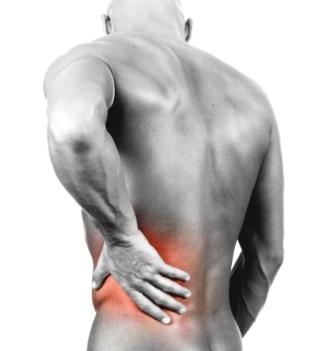
When your back hurts, everything seems to hurt. By the age of 45, most people will have experienced some form of lower-back discomfort. Other than the common cold, lower back pain is the most common reason people miss work in the United States. Lower back pain is also one of the main health obstacles to maintaining a regular fitness program.
There are three common types of back problems. One widespread back problem is a strain – an injury to a muscle or tendon of the lower back. Other common problems include sprains – injuries to the ligaments supporting the spine, and herniated disks – small, round cushions between the vertebrae of the spine are displaced.
Your back is made up of three main areas: the upper portion of your spine (the cervical), the middle portion (the thoracic), and the lower portion (the lumbar). The lower back connects your chest, arms, and upper body to your hips, pelvis, and legs – your lower body. The strength and mobility of your lower back is crucial to basic daily activities including: sitting, standing, walking, lifting, twisting, turning, and bending.
Lower back pain and injury is usually caused by one of several factors:
- Poor posture.
- Improper body mechanics.
- Prolonged sitting.
- Sudden, quick movements that damage ligaments.
- Muscles or tendons that have become overly tight due to a lack of core conditioning.
In my book, The 10 Minute Total Body Breakthrough, I explain in detail how to move your body the "4-3-2-1" way to help prevent lower back pain. In this article, I'll share some simple steps to get you started.
Consult your doctor. If you are experiencing lower back pain, discuss your condition and your current fitness level with your doctor. If your back pain is serious, work with your doctor to create an action plan to help you get moving again. Remember, inactivity has been shown to make back pain worse and increase your discomfort.
Perform aerobic exercise safely. After you get your doctor's go-ahead, choose aerobic activities that are easy on your joints, such as walking or stationary cycling. Get moving for 10–30 minutes a day, at least three days a week. You may also want to consider exercising in a pool to relieve the strain on your back. Avoid performing any exercises that are jarring to the joints such as jogging, running, jumping rope, or jumping jacks.
Begin resistance and core training. Develop a resistance and core program to improve your overall body strength. In resistance training, you'll need to avoid some movements to prevent further injury. Skip any exercises that involve raising a weight above your head or placing weight on your back. For example, don't do dumbbell or barbell shoulder presses, barbell squats, or resistance band overhead presses. Also, skip any exercises with twisting motions. Then, remember to perform resistance training movements in a slow, controlled motion.
Perform movements involving the upper and lower body, such as wall pushups or wall squats. Or, use a resistance band and do stationary lunges or arm curls. Try a stationary back or side plank to strengthen your core muscles, which include your abdominals, back, and obliques. Also, one of the best tools to help strengthen your core and overall body during your workouts is a stability ball. Aim for one resistance and core training session three days a week on alternating days.
Stretch regularly. Stretching provides many benefits for your body, which include increasing muscle flexibility, strengthening tendons and ligaments, increasing joint mobility, improving posture, decreasing back pain, and many others. Stretch every day to alleviate lower-back discomfort and prevent further injury. Stretches such as a seated forward bend, seated arm reach, or chin-to-chest stretch are all examples of static stretches you can do. Hold each stretch until you feel mild tension for 15–30 seconds, and do them as often as you like throughout the day.
Sean Foy, M.A.
President, Personal Wellness Corporation
Turning Off Your Genetic Risk

Kenneth Kornman, D.D.S, Ph.D.
As you get older, certain diseases often follow. Diseases typically associated with aging include heart disease, stroke, Alzheimer's disease, dementia, obesity, diabetes, cancer, osteoporosis, and joint problems. It's a long list, but don't be discouraged. Optimal health is all about delaying and helping to prevent your experiences with these diseases of aging.
All of these conditions are caused by interactions between our genes and the environment in which we live. Cardiovascular disease, which includes heart attacks and stroke, is one example. We know that our lifestyle – including smoking, physical activity, and diet – are major factors in our cardiovascular health. We also know that genetics play an important role, because a family history of heart attacks before the age of 60 is a significant risk factor for heart disease.
The good news is that you can make changes to reduce your genetic risk for these diseases of aging. Although you cannot change the genes you inherited from your parents, you can change the way your genes work to make your body healthier.
Nutrition is one of the strongest determinants of how your genes behave. Scientists now know that some of your genes have variations that alter their behavior. For example, a gene can be influenced to produce more or less of a certain chemical over time. The goal is to reduce the output of genes that produce chemicals that can be harmful, such as plaque-producing genes that can clog your heart's arteries.
This is where the exciting new science of nutrigenomics takes center stage. In nutrigenomics, we are working to discover which genes in your body are affected by certain nutrients. For example, what do the bad saturated fats do to the machinery of your body – your genes? This does not mean that you should have a customized diet, since the science is nowhere near making that a reality. But there are ways today to classify people into a few genetic patterns, and you can learn to make better use of certain nutrients and supplements.
What we can learn now from nutrigenomics is that you may be able to modify even the genetic risk factors for diseases associated with aging, with a healthy diet – risk factors we once thought were irreversible. Nutrigenomics gives you yet another compelling reason to strive for a healthy diet in order to live your life in optimal health.
Kenneth Kornman, D.D.S, Ph.D.
President and Chief Scientific Officer, Interleukin Genetics
Nutrigenomics: Where Diet and DNA Meet
Nutrigenomics: Where Diet and DNA Meet
Dr. Duke Johnson, M.D.
Medical Director, Nutrilite Health Institute
In the last decade, scientists have found that the effect of our diet on our bodies is far more complex than we ever imagined. These findings have opened up an exciting new area of science called nutrigenomics – the study of how diet works in our bodies at the molecular level.
In the past, we had a good idea of the ways the food we ate was used by our bodies, but we didn't understand the process completely. For many years, we have known our digestive tract breaks down food to its smallest building blocks, allowing the food to enter the bloodstream. For example, fats are reduced to fatty acids, and carbohydrates become simple sugars. These basic components – along with vitamins, minerals, and phytonutrients – enter the bloodstream from the digestive tract, pass through the liver for processing, and are then transported to every living cell in our body.
Today, we know much more about what happens to those nutritional building blocks once they enter our cells. Not long ago, scientists believed these nutritional components did most of their work in the region of the cell located outside the nucleus called the cytoplasm. We knew these nutritional components were needed to produce energy and help with many other cellular functions. But, we were unaware these basic nutrients actually influenced our genetic code as well.
Recently, a significant amount of research has shown many of the nutrients we eat actually enter the cell nucleus and affect our genetic code, known as DNA. The nucleus is a special compartment inside the cell that holds our DNA. Another term for DNA is genome, and by combining the words "nutrients" and "genome," we get "nutrigenomics," the study of how the nutrients we eat affect our DNA.
The relationship between our diet and our DNA is quite complex. DNA is made up of genes, which are the "blueprints" of proteins responsible for running the reactions in our cells. Some genes make good proteins known as enzymes, and other genes make proteins that can be harmful to our health in large amounts. It is also important to know that all of our genes aren't always turned on. Genes are like a light switch. We turn them "on" or "off" with our lifestyle choices.
Nutrigenomics is helping us understand how nutrition affects our health better than ever before. For example, unhealthy foods may actually switch "on" some of those harmful genes. On the flip side, healthy foods that provide good nutrients can likely switch "off" those bad genes.
Though the science of nutrigenomics is relatively new, it is already allowing us to expand our knowledge of nutrition. As you can see, it is also strengthening the case for healthy eating – showing you that the food you eat has a tremendous effect on your health and disease risk, even at the genetic level.
Special Note: Fad diet promoters often have no knowledge of nutrigenomics and commonly recommend foods that turn on bad genes. Since we work with some of the most knowledgeable people in the field of nutrigenomics, you can feel confident that my recommendations concerning food take this field of science into consideration with your best health in mind.
Dr. Duke Johnson, M.D.
Medical Director, Nutrilite Health Institute
Gift Giving During the Holiday Season

I am curious to know what everyone is doing during the holiday season?
1. Are more people not purchasing gifts for anyone except maybe their children?
2. Are you purchasing more online or are you going to go shopping at the malls?
3. What is the preferred way of shopping this year over last year?
4. Is it worth it to wait for 5 hours in the cold to get that gift and save $100 to $500, the day after Thanksgiving?
a. I heard from my mentor one time that Warren Buffet said you should never value yourself for less then $25/hour, so if that were the case, and you waited 5 hours to save $100 you are already losing.
b. Do you value your time or money more?
I am looking forward to hearing what people's thoughts are with what they are doing this holiday season.
Seasons Greetings.
and Merry Christmas
Jacqueline H. Waller
Can employers require employees to get flu shots?
What do you think? Check out this article and leave a comment.
http://blogs.ajc.com/atlanta-job-blog/2009/09/29/can-employers-require-employees-to-get-flu-shots/
A recent AJC article indicated that the topic of flu shots in the workplace has become a popular topic of discussion at Atlanta law offices. That’s because employers are seeking legal advice about whether or not they can mandate their staff members to obtain flu shots, as the threat of swine flu looms this fall and winter.
How Inflammation Is the Root Cause of the Biggest Killers and How the Cutting-edge Sceince of Nutrigenomics Can Transform Your Long-term Health

Corporate Gift Giving

Contrary to incentives or awards, which are based on merit through past or expected future performance, corporate gifts are generally given expecting little in return other than enhanced relationships with the recipients. The benefits are a little harder to measure but will nearly always be realized.
Even if your intentions are purely altruistic , appropriate corporate gift giving produces a favorable return on your investment.
As a matter of fact, the more unselfish the gift appears to be, the higher your ROI may become. This type of gift giving will produce its own benefits, not only improving your bottom line but making the business more enjoyable for everyone involved.
Give Emotional Value
The most effective gifts, with the highest ROI (in terms of enhanced relationships), are those that provide emotional value beyond the market value of the gift. In fact, some of the best gifts have a very small dollar value, but generate powerful positive emotions that make them very impactful.
For example, the gift of a turkey at Thanksgiving costs just a few dollars, but arouses wonderful nostalgic feelings and memories associated with that traditional American holiday. Few would not be warmed by memories of Grandma’s house, the aroma of roast turkey in the kitchen, and being surrounded by beloved family and friends.
Other examples are turkey or ham for Christmas or Easter, the traditional gold watch at retirement, and giving the gift of choice. Food especially carries high emotional value for special occasions and is almost universally appreciated. Let family and cultural traditions work for you!
Appearance Is Everything
Because the highest ROI comes from emotional value, imprints of advertising slogans or logos, etc., on the gift may actually decrease its impact. Self promotion of any kind included with the gift makes you and your company look selfish and cheap. Leave this for pens, hats, cups, golf balls, and other promotional items that serve entirely different purposes.
Regardless of how convenient they may be, cash or cash equivalents should rarely if ever be considered as gifts to employees, and NEVER to customers, vendors, or others outside your company.
Value Recognition
The value of the gift, both emotional and market value, is primarily recognized at the point of giving by both the giver and the receiver. For example, an employer who gives a gift certificate for a holiday turkey to an employee is better appreciated and fondly remembered whether or not the employee actually redeems the certificate. The retiring employee appreciates the gold watch whether or not he actually wears it. Providing your clients with the gift of choice, you actually give them an opportunity to think of you several times, so it's like giving the same gift over and over again. The employer/vendor has realized much of the benefit regardless of what happens after the point of giving.
However, you can maximize ROI by giving gifts that will also have recognition value at other points in time, such as the point of use and the points of recollection. This is illustrated by the theoretical model on the following page.
The cash gift carries the lowest ROI. Even though it may have a high market value at the point of giving it carries little emotional value and is quickly forgotten as it becomes mingled in the pocketbook with other cash. Most of the time the recipient will not even remember what was purchased, so the cash carries little recollection value.
The gold watch is appreciated at the time of giving and is fondly remembered for years thereafter. But if the recipient chooses not to wear it there is little value at point of use.
The Thanksgiving turkey and giving the Gift of Choice has the highest ROI of the three examples because it carries high emotional value at the point of giving as well as at the point of use and the point of recollection. Recollection value will be especially high if the employee receives the turkey or gift of choice year after year. Note: Gift certificates which can be applied to only one type of item (for example, a turkey, ham or other item) are generally perceived the same as the item itself and will produce similar results.
As mentioned earlier, promotional incentives with logos or advertising slogans have no place in a corporate gift giving plan. They may be important, but with entirely different objectives. Usually they are used as forms of advertising, intended to increase brand awareness. Generally they do little to improve personal relationships.
Gifts of trips, restaurant dinners, and tickets to sporting events often also have different objectives and are usually considered as on-going incentive promotional events tied to past or expected future performance. We recommend they be included in your company’s gift giving program only when your company’s management or sales representatives will accompany the recipient to the event, thus maximizing the potential for enhanced personal relationships.
Timing of gift giving
Gifts should be appropriate to the occasion and to the relationship. Too frequent gifts reduce their perceived value. Consider limiting significant gift-giving to special occasions like holidays, birthdays, anniversaries, etc.
Do Your Homework!
Some companies restrict their employees in accepting gifts. Avoid embarrassing yourself and your customer – Make sure his company policies allow accepting gifts, and what conditions may apply. Often this is resolved with a candid question posed to an assistant or secretary.
Liquor and Wine
Although this type of gift has been a traditional favorite in some circles, it is becoming less popular. It may be offensive to some whose religious or personal standards preclude liquor consumption. Never consider liquor or wine as a corporate gift unless you are absolutely certain it will be appreciated by every recipient.
Government Agencies
Gift giving to government officers to promote goodwill towards your company or industry carries its own set of potential legal and ethical problems. Make sure your plan is carefully developed and reviewed by the attorneys and the CEO before proceeding. Avoid any appearance of impropriety.
News Media
Proactively developing good relationships with the news media is a good idea that may come in handy during a public relations crisis. But most media companies have strict policies about accepting gifts. Generally your gift should not be given to a specific individual, but rather should be something that can be shared by everyone in his office. Go the extra mile to avoid any appearance of offering a bribe.
Check the Tax Laws
Check with your accountant or attorney about the tax implications of the gift you are considering. In some situations high value gifts to employees must be treated as taxable income to the employee or may not be deductible by the employer. If the employee must pay taxes on the gift it may cause him enough frustration to negate the emotional value of the gift.
However, if the dollar value of the gift is relatively low and it is given infrequently it may qualify for the “de minimus benefit”, would be non-taxable to the employee, and would be deductible as a non-wage business expense by the employer. According to an IRS bulletin published on their website March 29, 2006, this could include holiday gifts, occasional tickets for entertainment events, and flowers, fruit, books, etc., provided under special circumstances.
The IRS has ruled that items with a value exceeding $100 could not be considered de minimus, and in some circumstances the dollar limit may be lower. Cash may never be considered a de minimus benefit, nor can gift certificates that are redeemable for any of a significant variety of products. However, gift certificates that can be used only on one type of item are considered tax exempt as de minimus benefits. Please check with your tax attorney for more detailed advice.
Gift Certificates
Not only may gift certificates enjoy some important tax advantages for both the giver and the receiver, they are nearly universally appreciated as equivalent to the item they are good for. So they carry most if not all of the emotional value of the item. They are also significantly more convenient for both giver and receiver. For food gifts, certificates also avoid handling problems and costs, as well as food safety concerns with perishables.
As you consider gift certificate suppliers be sure to explore these important issues:
• For employee gifts, the certificate should be good for only one type of product, rather than a cash-equivalent certificate good for any of a broad variety of items. This will qualify it for the IRS de minimus exclusion, making the gift non-taxable for your employees.
• Make sure the certificates are redeemable at any retailer carrying the item, not just at specific stores. The broader the reach the more convenient it will be for your recipients, especially if they are spread out across a wide geography.
• The supplier should have a proactive retailer pre-selling program in place to make sure retailers will accept his certificate. This may dramatically reduce the frustration of your recipients having to search for a retailer who will accept it.
Wrap It Up
We hope this brief guide to gift giving has been helpful. We welcome your comments, questions, and suggestions.
PFR Corporate Gifts, Inc.
9137 South Monroe Plaza Way, Suite C
Sandy, UT 84070
Tackling the Worldwide Diabetes Epidemic
 Tackling the Worldwide Diabetes Epidemic
1World Health Organization. "Diabetes Factsheet." November 2008.


