AddThis


Is Stress Overwhelming You?
 Is Stress Overwhelming You?
Dr. Duke Johnson, M.D.
Medical Director, Nutrilite Health Institute Center for Optimal Health
Stress: It's a serious health problem for every industrialized society in the world. In a way it's strange, because progress and technology were designed to make our lives easier. Instead, they have prevented us from getting away from our work and obligations.
In the past, you left work and you were done – but not anymore. These days, we often receive text messages and emails around the clock. Factors like competition, tight timelines, and economic pressures mean companies must operate at maximum efficiency in order to survive. The media reports daily on global economic instability and recession, so it's no wonder everyone feels stressed.
Stress can have serious negative short-term and long-term impacts on our health. Stress can raise blood pressure, lower immune function, trigger asthma attacks, cause ulcers, and increase the risk of digestive problems.1 The bottom line: Controlling stress is critical if you want to achieve optimal health and increase your longevity.
The common recommendations for handling stress are usually not the most effective. When I began researching stress more than a decade ago, I collected more than 400 articles on the topic. Surprisingly, I found nearly everyone makes the same recommendations for handling stress. These typically include ideas like get away, take walks, meditate, listen to music, or find some alone time. While these techniques can help if you feel overwhelmed, they are temporary band-aids for a bigger problem.
Most of the stress we experience occurs when we lose sight of the priorities in our lives. Day-to-day "emergencies" demand most of your attention, and many of us have lost the ability to set boundaries on how and with whom we spend our time. In this way, life becomes a game of survival where your only goal is crossing things off your to-do list. As a result, you end up simply existing when you could be living a life that corresponds with your beliefs and goals.
For your health, you must learn to prioritize your life. You need to live according to your beliefs and learn to set boundaries. Remember, there are right and wrong ways to de-stress, which I explain in my new book, Optimal Health Revolution. By using stress reduction strategies that really work and keeping your eye on the big picture instead of the everyday emergencies, you can reduce stress and reach your goal of obtaining optimal health.
1 Harvard Health Publications Group. “How Stress Affects the Body.” Stress Control (Harvard Special Health Report) May 2006: 37–41. Health and Wellness Resource Center. Web. 19 Aug. 2009.
10 Minutes a Day to Build a Stronger, Healthier You!
 10 Minutes a Day to Build a Stronger, Healthier You!
Sean Foy, M.A.
Author of The 10-Minute Total Body Breakthrough
In 2010, how would you like to have a healthier body, home, and business life? You can! It’s easier than you’d think, and you can start to do it in just 10 minutes a day.
Suppose the January 1, 2010, newspaper headline read, “Magic Health Potion Discovered!” The article went on to describe that scientists had designed a miracle medication that will help to lower your risk of diabetes, obesity, heart disease, stroke, and several types of cancer. The same medication may also rev up your metabolism, help your body burn fat, and give you more energy. And, it can strengthen your muscles, help maintain bone health, help to reduce stress, and even help you look years younger! The best news … this magic potion is cheap and available everywhere!
Would you run out the door in your new Christmas pj’s to your local drugstore to find this “magic potion”? Your instinct to “run” is on target for the magic potion.
Motion Is the Magic Potion
The magic potion I’m talking about is exercise. Stay with me now, and let me tell you’ve what I’ve learned.
The physical benefits of exercise are extensive and well-documented. But to my knowledge, no studies have been done on the ways in which getting fit can change your life. At Nutrilite Health Institute (NHI), we have tested the 10-minute 4-3-2-1 workout, and we’ve seen some interesting results. One breakthrough is that people see 10 minutes as “doable.” As they started the 10-minute routine, they also began to make other changes in their life too. From our documented cases, many participants reported better self-esteem, higher business productivity, more self-control, increased happiness, and better relationships.
To improve your life there is not much that will compare to moving your body more – even just 10 minutes a day.* Exercise can transform the way we feel, think, act, and look. You can have a healthy body to meet your daily obligations and have leftover energy for fun! When your health and fitness improve, you can have the strength and energy to experience more that life offers.
4-3-2-1 DONE!
I would encourage you to visit my website: www.4321fitness.com to learn more about how moving your body just 10 minutes a day, the 4-3-2-1 way, on a regular basis will help you experience success, and you can begin the journey to transform your health.
You can do it! Start today! Remember to start small and finish strong!
All the best in 2010!
Coach Sean
*Consult with your doctor prior to starting any new exercise program.
Optimal Health for 2010 and Beyond
 Optimal Health for 2010 and Beyond
Dr. Duke Johnson, M.D.
Medical Director, Nutrilite Health Institute Center for Optimal Health
Would You?
Would you like to wake up each morning with such strength and vitality that you didn’t need something to “rev” you up? Would you like to feel confident that you are taking positive steps to reduce the chance of chronic disease? Would a natural reduction of much of the pain you are experiencing be of interest to you? Would you love to have people marvel at and envy your endurance that is a result of the healthy lifestyle you live? Is real weight loss and weight maintenance of interest to you? Would you really like to know which pathway will help you achieve your best health?
No Fads Allowed – Just Good Health
It seems as if everyone in the media is a “health expert” but in reality, a majority of these “self-proclaimed” experts do not base their claims in solid science or have your long-term health in mind. At Nutrilite Health Institute (NHI), we aren’t interested in popular fads because they are almost always misdirected or too narrowly focused. If we aren’t promoting something popular, there is a strong reason for it. We base all that we do on the best science available and a truly unique global perspective to enhance our teaching. At Nutrilite, we have been on the cutting edge of science for 75 years, and we won’t stop asking questions in the future. We want you to have the best products we can develop, to support a lifetime of good health, with science that will last the ages.
Perfection? Nope, Just Positive Steps
Optimal health at NHI involves your total lifestyle – every crazy, busy minute. We don’t teach or expect everyone to be perfect, but rather to take small steps in the right direction that can ultimately lead to your best health. Small changes can become habits, and maintaining a healthy lifestyle can become a part of who you are.
Taking small steps to change your current habits can help to keep chronic disease out of your future. It’s much better to change now and enjoy good health, than to be forced to change later. What better time to begin this pathway than at the start of 2010? We know the path to optimal health is possible, because there are many Amway Global Independent Business Owners that we’ve seen whose lives have changed dramatically.
Join an Optimal Health Revolution in 2010
At NHI we offer our Amway Global Independent Business Owners the opportunity to participate in a 1, 2, or 3-day program in Buena Park, California, and over 15,000 IBOs globally have been through our program. Since everyone can’t visit, I hope that my new book, entitled Optimal Health Revolution, by BenBella Books, will help you begin the right path today. It’s written for those of you without any science training but is packed with over 900 scientific references for those who desire all the facts. Over 150 scientific references support the use of supplementation, and the book lays out much of the NHI optimal health philosophy for true lifestyle change.
Take your first step toward optimal health so that you can experience the life you were intended to have.
For optimal health,
Dr. Duke Johnson M.D.
Oh My Aching Back: Helping Back Pain with Exercise
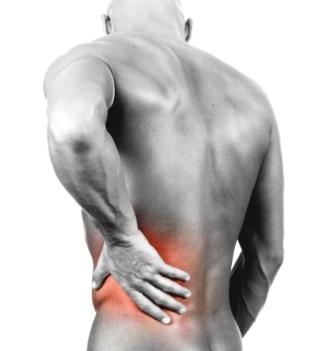
When your back hurts, everything seems to hurt. By the age of 45, most people will have experienced some form of lower-back discomfort. Other than the common cold, lower back pain is the most common reason people miss work in the United States. Lower back pain is also one of the main health obstacles to maintaining a regular fitness program.
There are three common types of back problems. One widespread back problem is a strain – an injury to a muscle or tendon of the lower back. Other common problems include sprains – injuries to the ligaments supporting the spine, and herniated disks – small, round cushions between the vertebrae of the spine are displaced.
Your back is made up of three main areas: the upper portion of your spine (the cervical), the middle portion (the thoracic), and the lower portion (the lumbar). The lower back connects your chest, arms, and upper body to your hips, pelvis, and legs – your lower body. The strength and mobility of your lower back is crucial to basic daily activities including: sitting, standing, walking, lifting, twisting, turning, and bending.
Lower back pain and injury is usually caused by one of several factors:
- Poor posture.
- Improper body mechanics.
- Prolonged sitting.
- Sudden, quick movements that damage ligaments.
- Muscles or tendons that have become overly tight due to a lack of core conditioning.
In my book, The 10 Minute Total Body Breakthrough, I explain in detail how to move your body the "4-3-2-1" way to help prevent lower back pain. In this article, I'll share some simple steps to get you started.
Consult your doctor. If you are experiencing lower back pain, discuss your condition and your current fitness level with your doctor. If your back pain is serious, work with your doctor to create an action plan to help you get moving again. Remember, inactivity has been shown to make back pain worse and increase your discomfort.
Perform aerobic exercise safely. After you get your doctor's go-ahead, choose aerobic activities that are easy on your joints, such as walking or stationary cycling. Get moving for 10–30 minutes a day, at least three days a week. You may also want to consider exercising in a pool to relieve the strain on your back. Avoid performing any exercises that are jarring to the joints such as jogging, running, jumping rope, or jumping jacks.
Begin resistance and core training. Develop a resistance and core program to improve your overall body strength. In resistance training, you'll need to avoid some movements to prevent further injury. Skip any exercises that involve raising a weight above your head or placing weight on your back. For example, don't do dumbbell or barbell shoulder presses, barbell squats, or resistance band overhead presses. Also, skip any exercises with twisting motions. Then, remember to perform resistance training movements in a slow, controlled motion.
Perform movements involving the upper and lower body, such as wall pushups or wall squats. Or, use a resistance band and do stationary lunges or arm curls. Try a stationary back or side plank to strengthen your core muscles, which include your abdominals, back, and obliques. Also, one of the best tools to help strengthen your core and overall body during your workouts is a stability ball. Aim for one resistance and core training session three days a week on alternating days.
Stretch regularly. Stretching provides many benefits for your body, which include increasing muscle flexibility, strengthening tendons and ligaments, increasing joint mobility, improving posture, decreasing back pain, and many others. Stretch every day to alleviate lower-back discomfort and prevent further injury. Stretches such as a seated forward bend, seated arm reach, or chin-to-chest stretch are all examples of static stretches you can do. Hold each stretch until you feel mild tension for 15–30 seconds, and do them as often as you like throughout the day.
Sean Foy, M.A.
President, Personal Wellness Corporation
Can employers require employees to get flu shots?
What do you think? Check out this article and leave a comment.
http://blogs.ajc.com/atlanta-job-blog/2009/09/29/can-employers-require-employees-to-get-flu-shots/
A recent AJC article indicated that the topic of flu shots in the workplace has become a popular topic of discussion at Atlanta law offices. That’s because employers are seeking legal advice about whether or not they can mandate their staff members to obtain flu shots, as the threat of swine flu looms this fall and winter.
How Inflammation Is the Root Cause of the Biggest Killers and How the Cutting-edge Sceince of Nutrigenomics Can Transform Your Long-term Health

The Wellness Wire - Prepare for Cold and Flu Season

Research Scientist, Nutrilite Health Institute
Every year, it happens. People start sneezing, coughing, and complaining about sore throats. It's not just your imagination – colds happen more often during the winter, and flu season is usually from November to March, according to the Centers for Disease Control and Prevention (CDC).
What Causes Colds and the Flu?
Colds and the flu are caused by viruses. These viruses are spread from person to person, usually because of coughing or sneezing. These viruses are very contagious and spread quickly.
The good news is that most people recover from a cold and the flu in a week or two. The bad news is that these viruses wear down your body’s immune system, making you more susceptible to bacterial infections and other diseases. In some cases, severe flu complications can lead to death – especially in older people, young children, and people with chronic health conditions like asthma, diabetes, or heart disease.
Cold and Flu Symptoms
Everyone will have different cold and flu symptoms. Common symptoms include:
- Fever (usually high).
- Headache.
- Tiredness (can be extreme).
- Cough.
- Sore throat.
- Runny or stuffy nose.
- Body aches.
- Diarrhea and vomiting (more common among children than adults).
Get a flu shot. A flu shot is the best way to prevent the flu. Get a shot every year in September or as soon as the vaccine is available. There are a few exceptions to this rule. If you fit into one of the following categories, consult with your doctor before getting a flu shot:
- Have a severe allergy to eggs.
- Have had a severe reaction to the vaccine in the past.
- Have Guillain-Barré Syndrome (GBS).
- Had a flu shot within the past six weeks.
- Are less than six months old.
- Have a moderate or severe illness with fever.
- Avoid close contact with anyone who has a cold or the flu.
- Wash your hands frequently.
- Avoid touching your eyes, nose, or mouth.
- Cover your mouth and nose when sneezing or coughing.
- Stay home when you are sick.
Improve your cold and flu knowledge. The more you know about colds and the flu, the better you can protect yourself. Learn more about these viruses on the CDC website, www.cdc.gov, and take the CDC “Flu IQ Test” at www.cdc.gov/widgets
Yumei Lin, Ph.D.Research Scientist, Nutrilite Health Institute
The Wellness Wire - Stay Healthy This Cold and Flu Season
Dr. Duke Johnson, M.D.
Medical Director, Nutrilite Health Institute
Believe it or not, fall is right around the corner. Before we know it, cold and flu season will return – and that means now is the time to begin thinking about cold and flu prevention. There are many factors that determine our chances for getting a cold or the flu, but all of them fall under two main prevention strategies. The first strategy is reducing our exposure to cold and flu viruses, and the second is helping our immune systems operate at maximum efficiency.
There are several ways to reduce your exposure to cold and flu viruses. The first is washing your hands. It seems simple, but many germs spread after we touch something germy with our hand, and then transfer those germs to our mouth or eyes. For example, someone may cough into their hand and touch a doorknob that we then use. Or, we may shake hands with a co-worker who has a cold and then eat a sandwich. There is no substitute for frequent hand washing, especially before preparing or eating food. I recommend washing with non-antibacterial soaps, because antibacterial soaps can cause rashes with frequent washing, breaking down the natural skin barriers.
Another way to reduce your exposure to cold and flu viruses is to avoid people who are coughing or asking them to “cover their cough.” Many people forget to cover their mouth when they cough, especially after they've been sick for a while.
The second strategy for avoiding the cold and flu is to help your immune system operate at maximum efficiency. One way to do this is to eat well and take a good multivitamin. Our immune systems are very complex and use many different enzymes to help battle viruses. Many of these enzymes need vitamins and minerals to help them perform at their best. When our bodies are missing these vitamins and minerals, our immune system is less able to fight off infections.
The second immune-boosting tactic is to get enough sleep. Sleep deprivation can increase your risk of infection, so try to get between seven and eight hours of sleep per night.
Reducing stress can also improve your immune system's function. Many scientific studies have shown that when we are under stress, our immune system doesn't work as well.1 Some stress-reduction techniques are exercise, yoga, deep breathing, and journaling. My book, Optimal Health Revolution, has a chapter that will teach you the best ways to reduce your stress.
An echinacea supplement may also help boost your body's immune system. It is recommended that this herb be taken at the first sign of a sneeze or sniffle and for no longer than eight weeks at a time.2
Start getting into these habits now, and you'll be fully prepared to help reduce your risk of coming down with a cold or flu this season, and for many years to come.
Suggestions on Supplements
Multi-Vitamin - http://jwaller.qhealthbeauty.com/products/product.aspx?itemno=A4300
Echinacea Tablets - http://jwaller.qhealthbeauty.com/products/product.aspx?itemno=A5986
Echinacea Liquid - http://jwaller.qhealthbeauty.com/products/product.aspx?itemno=A8998
Echinacea Spray - http://jwaller.qhealthbeauty.com/products/product.aspx?itemno=AA0176
Dr. Duke Johnson, M.D.Medical Director, Nutrilite Health Institute
1Stress and the immune system. Robert A. Anderson. Townsend Letter for Doctors and Patients. August–September 2005 i265-266 p106(1).
2“Echinacea.” Clare Hanrahan and Teresa G. Odle. The Gale Encyclopedia of Alternative Medicine. Ed. Jacqueline L. Longe. 2nd ed. Detroit: Gale, 2005. 4 vols. Updated July 1, 2006.
Win a Free Health Assessment
The first 5 People that register for my Blog will get One Free Health Assessment and you have the choice to select which Module you would like to take.
The Health Questionnaire consists of several modules designed to gauge different facets of your nutritional and lifestyle habits. The questions have been created, reviewed, and approved by a team of medical and nutritional experts headed by the Nutrilite Health Institute. Click on the module you wish to take. We encourage you to complete all the modules.Helpful Tip: As each module is taken or updated, more personalized recommendations will be made for you. Check your recommendation report often for updates and additions.
Your Recommendation Report Has Been Generated
General Health ModuleAsks about your lifestyle, activity level, and eating habits. Estimated time to complete this module: 12 minutes.
Heart Health ModuleCenters on how your nutrition and lifestyle habits may affect your cardiovascular health. Estimated time to complete this module: 5 minutes.
Vitamin/Antioxidant ModuleAsks specific questions about your nutritional habits and lifestyle activity, your exposure to free radicals, and your metabolism. Estimated time to complete this module: 8 minutes.
Heart Health Genetic Test ModuleAsks you to supply the results of the optional GENSONA(TM) Heart Health Genetic Test. Estimated time to complete this module: 1 minute.
General Nutrition Genetic Test ModuleAsks you to supply the results of the optional Gensona General Nutrition Genetic Test. Estimated time to complete this module: 2 minutes.
How to Care for Your Skin - Eczema Skin Care Tips
Eczema Skin Care Tips
By Phylameana lila Desy, About.com
Guest article by Dr. Rita Louise
What is Eczema?Eczema can best be described as a non-contagious skin condition, which is characterized by hot dry itchy skin, with symptoms that often fluctuate seasonally and even over the course of the day. Eczema typically begins in early childhood. Research indicates that eczema may be genetically determined and studies show that there is often a family history of allergies, asthma, eczema or hay fever. Children who experience eczema may also suffer from asthma or hay fever as well.
Like an allergy, eczema tends to flair up when exposed to certain triggers, especially mechanical irritants, allergens, emotional stress, heat and sweating. When exposed to an offending situation, inflammation producing cells come to surface of the skin and release chemicals, leaving the skin red, pealing and thickened. Sometimes tiny blisters form, rupture, weep and crust over.
Eczema most often appears in and round the creases of joints of the arms and legs and around trunk of the body. For some, it also emerges on their hands and on the sloes of their feet. Sufferers also experience an intense itching makes them want to scratch it, causing additional damage which can lead to bleeding and infection.
Solvents, chemicals, detergents, bleach, woolen clothing, skin care products that contain alcohol and certain soaps or fragrances are all considered mechanical irritant that can cause burning, itching or redness to the skin and bring about a flair-up. And while allergens, like food, pollens and pets, do not irritate the skin, they can also trigger a flair-up. The same holds true to emotional stress. Intense emotions such as anger and frustration can flair up symptoms. Many individuals with eczema also do not tolerate extremely hot or cold temperatures as well. High humidity can cause increased sweating, while low humidity can dry the skin.
Bloggers Commentary (Great Laundry Detergent is SA8. I have a friend who has Eczema and she found when using this detergent she had less flare ups. - http://jwaller.qhealthbeauty.com/products/product.aspx?itemno=E0002)
Wellness Recommendations for Treating Eczema
- Prevention - The key to controlling eczema is prevention. Avoid or reduce your exposure to things that can irritate your skin such as household cleaners, detergents, certain soaps and wool clothing.
- Moisturize - Use a moisturizer on your skin every day to help keep it soft and flexible.
Gentle rejuvenating skin car - http://jwaller.qhealthbeauty.com/Products/Thumbnail.aspx?ctg=17997&ast=636039&rtl=12734
- Don't Scratch - Do not scratch even if it itches! Scratching can further irritate the skin and can even cause the skin to break and crack, opening the door to infection.
Identify Your Triggers - Take the time to identify your triggers. This can help you to avoid or limit your exposure to the offending item even better. If you think a food item is causing your problems, talk to your doctor about getting an allergy test or try an elimination diet to help you identify the offending product.
- Keep Hands Dry - Be sure to dry your hands completely after you wash them.
Wear Protective Gloves - Wear gloves when your hands will be exposed to anything that can irritate them.
http://jwaller.qhealthbeauty.com/search/default.aspx?Ntt=hand%20lotion
- Stress Management - Learn to manage your stress through regular exercise, breathing techniques, biofeedback, meditation and yoga.
Natural Remedies for Eczema
- Gamma-linolenic acid (GLA) has been shown to help reduce the inflammation, dryness and scaleness often associated with eczema. GLA can be found in evening primrose oil, borage oil and currant seed oil.
Nutrilite PrimRose Plus - http://jwaller.qhealthbeauty.com/products/product.aspx?itemno=A8006
- If your skin becomes infected, the herb Oregon grape has been used for hundreds of years to treat infections and a variety of skin problems.
- Natures Sunshine’s Golden Salve is a blend of herbs, oils and beeswax that sooths and moisturizes rough, chafed, chapped skin.
- A homeopathic remedy for eczema may help relieve the itching and irritation associated with eczema and dermatitis of the skin and scalp.
How To Heal a Broken Bone Quickly
By Jonathan Cluett, M.D., About.com
Updated: July 26, 2009
About.com Health's Disease and Condition content is reviewed by the Medical Review Board
Difficulty: Average
Some of these recommendations may be controversial, or unknown the extent to which they affect bone healing. However, this much is clear. Patients who smoke, have a much longer average time to healing, and a much higher risk of developing a nonunion (non-healing of the bone). Smoking alters the blood flow to bone, and it is that blood flow that delivers the necessary nutrients and cells to allow the bone to heal.
Ensure you are consuming the recommended dose of calcium, and if not, try to consume more natural calcium--or consider a supplement. Taking mega-doses of calcium does not help a bone heal faster.
CalMag Vitamin -http://jwaller.qhealthbeauty.com/search/default.aspx?Ntt=calmag
Surgery creates potential risks, so these options much be weighed carefully. However, there may be options which alter the time it takes for a bone to heal.
Electrical Stimulation
Ultrasound Treatment
Magnets
Getting Back on Track After a Setback: Part I
Sean Foy, M.A.
President, Personal Wellness Corporation
Sickness or disability does not define who we are or what we can accomplish. Exercise is possible, even for people with issues like arthritis, cancer, chronic fatigue syndrome, exercise-induced asthma, fibromyalgia, high blood pressure, diabetes, and heart disease. I've seen it happen! Of course, you should always consult your doctor before beginning an exercise program when you have an injury or chronic condition.
If you have an acute illness or injury, you’ll need to recuperate before you can resume exercising. But if you have a chronic health challenge or longstanding difficulty, you'll need to find ways of working around it.
In the past, doctors often told people with chronic ailments to restrict their activity. Many people with a chronic condition became inactive due to pain, discomfort, limited range of motion, lack of motivation, or fear. But, inactivity leads to a decline in strength and stamina. So if you have been sedentary because of a health issue, muscle loss, weight gain, depression, or fatigue, you may be worse off now than when you were first diagnosed. Plus, you are at greater risk for further injury.
These days, the medical community has changed its approach. While each chronic condition has a different treatment plan, the best advice is usually to get moving again! Remember, you should always consult your doctor before beginning an exercise program when you have an injury or chronic condition.
Bouncing Back After a Setback
If you are recovering from an illness like the flu, or if you've gone several weeks without exercising for any reason, don't try to restart your routine the same place you left off. It's important to give your muscles, ligaments, and tendons the opportunity to get stronger again. This will help protect you from injury as you work back up to your previous fitness level. For a healthy and safe recovery after a break from exercise, follow these tips:
- Decrease the fitness intensity level of your aerobic workouts. For example, if you were previously exercising at level 8 on a fitness intensity scale of 0 to 10, decrease your intensity to level 6.
- For your resistance exercises, temporarily decrease your weight selection by 30% to 50%.
- As a general rule, take it easy for the same amount of time you were sick. At minimum, scale back on your exercise intensity for one week.
For energy to get up and get out check out these links:
Energy Drinks - http://jwaller.qhealthbeauty.com/search/default.aspx?Ntt=xs
Twist Tubes - http://jwaller.qhealthbeauty.com/search/default.aspx?Ntt=twist%20tubes
Supplements - http://jwaller.qhealthbeauty.com/search/default.aspx?Ntt=double%20x
Cholesterol by the Numbers
Cholesterol by the Numbers
Micheline Vargas, DrPH, RCEP
Research Scientist, Nutrition Investigations
Elevated cholesterol is associated with an increased risk of heart disease. So, what is a healthy cholesterol level and what can you do to improve it? The National Cholesterol Education Program (NCEP) guidelines can help. The goal of these guidelines is decreasing total and LDL cholesterol levels while maintaining or increasing your HDL cholesterol level.
Table 1: Cholesterol Classification (mg/dL)
| Total Cholesterol | LDL Cholesterol | HDL Cholesterol |
|---|---|---|
| Desirable = <> | Optimal = < optimal =""> | High (good) = ≥ 60 |
| Borderline High = 200–239 | Borderline High = 130–159 High = 160–189 | Low (poor) = <> |
| High = ≥ 240 | Very High = ≥ 190 |
If your total and LDL cholesterol levels are too high, smart food choices can help. These include:
- Consume a variety of fruits, vegetables, and whole grain, high-fiber foods.
- Minimize your intake of sugary foods and beverages.
- Prepare and choose foods with little salt.
- Eat legumes, lean meats, and poultry without the skin.
- Replace some animal products with soy protein.
- Eat fatty fish, such as salmon or tuna, at least twice a week.
- Choose fat-free or low-fat dairy products.
- Limit saturated fat and trans-fat intake.
In a healthy, low-cholesterol diet, most of your dietary fat should come from monounsaturated and polyunsaturated fats. These types of fats are found in nuts, seeds, fish, and vegetable oils. In addition, most people should limit cholesterol intake to less than 300 mg a day. If your LDL level is more than 100 mg/dL or if you have heart disease, limit your cholesterol intake to less than 200 mg a day. Then, follow the “Therapeutic Lifestyle Changes” (TLC) Diet created by the NCEP. Table 2 outlines the key components of the TLC Diet.
Table 2: TLC Diet
| Nutrient | Recommendation |
|---|---|
| Saturated Fat* | Less than 7% total calories |
| Polyunsaturated Fat | Up to 10% of total calories |
| Monounsaturated Fat | Up to 20% of total calories |
| Total Fat | 25–35% of total calories |
| Carbohydrate | 50–60% of total calories |
| Fiber | 20–30 grams per day |
| Protein | Approximately 15% of total calories |
| Cholesterol* | Less than 200 mg per day |
| Plant Stanols / Sterols** | 2 grams |
| Increased Viscous (soluble) fiber** | 10–25 grams per day |
| Total Calories (energy) | Balance energy intake and expenditure to prevent weight gain |
*LDL-raising nutrients
**Therapeutic options for LDL-lowering
Certain supplements and foods may also help lower your cholesterol when added to a healthy diet. These include isolated garlic compounds, oats, flaxseed, fish oils, calcium, and magnesium. Remember, by learning to make smart choices you can enjoy flavorful foods and manage your cholesterol at the same time!
Micheline Vargas, DrPH, RCEP
Nutrilite Health Institute
Research Scientist, Nutrition Investigations
Cholesterol-cutting Nutrition Tips
Cholesterol-cutting Nutrition Tips
Lisa Kirkman, M.S., R.D.
Amway Global Health Instructor
Research shows that almost half of North American adults, over the age of 20, have high cholesterol.1 It has been shown that the simple act of eating a healthy diet can help you lower your cholesterol and maintain healthy cholesterol levels. These healthy-eating tips will help you reach your heart-health goals.
Cholesterol-cutting Foods
Cholesterol Health Supplements - http://jwaller.qhealthbeauty.com/products/product.aspx?itemno=100070
Eat your oats. Research suggests the soluble fiber (beta glucan) found in oats may help reduce both total cholesterol and the “bad” LDL cholesterol.2 If you're not a fan of oatmeal, try oat cereal or an oat bran muffin.
Sprinkle some flaxseeds. Flaxseeds contain lignan and soluble fiber, which may help block the formation of LDL cholesterol and help your body get rid of cholesterol.3 Flaxseeds’ mildly nutty flavor is a complement to salads, cereal, yogurt, and homemade breads or muffins.
Snack on nuts. Nuts are high in heart-healthy monounsaturated fats, which may help lower LDL cholesterol.4 Almonds, walnuts, and cashews are rich sources of monounsaturated fats and can be eaten as snacks, sprinkled on salads, and added to your oatmeal, cereal, or yogurt.
Sneak in some soy. Many people think soy is only for serious vegetarians, but it's actually an excellent source of complete protein for everyone. Soy also contains healthful compounds that may help reduce total cholesterol and LDL cholesterol.5 Try making a fruit smoothie with frozen fruit, vanilla soy milk, and a soy-based protein powder; also try snacking on soy nuts or sneaking tofu into soups, chili, or lasagna.
Nutrilite Protein Powder w/Soy Isoflavones- http://jwaller.qhealthbeauty.com/products/product.aspx?itemno=A7451
Focus on fish. The American Heart Association recommends eating fatty fish – such as salmon, albacore tuna, mackerel, lake trout, herring, and sardines – at least twice a week to promote heart health. If you don’t like fish, consider taking a high-quality fish oil supplement containing one to three grams of omega-3 fatty acids.
Ocean Essentials - Heart Health - http://jwaller.qhealthbeauty.com/products/product.aspx?itemno=A8919
Get some garlic. Garlic may help reduce total and LDL cholesterol.6 If you’re not up for eating one to two cloves daily, consider a garlic supplement containing allicin, garlic’s active compound.
Garlic Health Supplement - W/Out all the Garlic leftover taste and smell. - http://jwaller.qhealthbeauty.com/products/product.aspx?itemno=A5923
Sip some green tea. Green tea has been shown to lower total cholesterol and LDL cholesterol while raising your “good” HDL cholesterol.7 But, much of this research is based on the amount of tea consumed in Asian countries – three cups a day. If you don't drink a lot of green tea, a supplement containing green tea extracts and its active compounds – theaflavins and catechins – may help.
Heart Healthy Alternatives
Certain foods can contribute to high cholesterol if eaten on a regular basis. While forbidding foods is never a good idea, a successful strategy is finding healthier alternatives to most of these cholesterol-promoting foods.
| Instead of This … | Choose This … |
|---|---|
| 2% or whole milk | 1% or fat-free milk |
| Yellow cheese | Low-fat mozzarella cheese |
| Whole eggs | Two egg whites with one yolk or egg substitute |
| Beef or dark meat | White meat chicken or turkey |
| Fried foods | Baked, broiled, or steamed foods |
| Regular mayonnaise | Canola oil- or olive oil-based mayonnaise |
| Butter or margarine | Olive oil- based “margarine” spread (such as Olivio) |
| Sour cream | Low-fat or fat-free sour cream |
| Cream cheese | Low-fat or fat-free cream cheese, natural peanut butter, or almond butter |
| Chips, crackers, and cookies | Whole grain snacks that are low-fat and trans-fat free such as popcorn, whole grain crackers, nuts, trans-fat free meal replacement or snack bars |
| Fried fish | Baked or broiled salmon, lake trout, mackerel, and albacore tuna |
Gradual Changes Win the Race
Don’t change your entire diet overnight. Make one dietary change at a time and move forward gradually. Changes are more likely to become permanent if they're done at a slow, comfortable pace – just don’t lose focus. The more heart-healthy lifestyle changes you make, the greater positive impact it will have on your cholesterol and your overall health.
Lisa Kirkman, M.S., R.D.
Amway Global Health Instructor
1 americanheart.org
2 Oat [beta ]-glucan lowers total and LDL-cholesterol. Sylvia Pomeroy, Richard Tupper, Marja Cehun-Aders, Paul Nestel. Australian Journal of Nutrition and Dietetics. March 2001 v58 i1 p51(5).
3 “Flaxseed.” Greg Annussek. and Rebecca J. Frey, PhD. The Gale Encyclopedia of Alternative Medicine. Ed. Jacqueline L. Longe. 2nd ed. Detroit: Gale, 2005. 4 vols. Updated July 1, 2006.
4 Oh (Nutritious) Nuts! Harvard Health Commentaries. Jan 3, 2007 pNA.
5 Soy isoflavones lower serum total and LDL cholesterol in humans: a meta-analysis of 11 randomized controlled trials. Kyoko Taku, Keizo Umegaki, Yoko Sato, Yuko Taki, Kaori Endoh, Shaw Watanabe. American Journal of Clinical Nutrition. April 2007 v85 i4 p1148(9).
6 “Garlic.” Patience Paradox. and Teresa G. Odle. The Gale Encyclopedia of Alternative Medicine. Ed. Jacqueline L. Longe. 2nd ed. Detroit: Gale, 2005. 4 vols. Updated July 1, 2006.
7 “Green tea.” Paula Ford-Martin. and Teresa G. Odle. The Gale Encyclopedia of Alternative Medicine. Ed. Jacqueline L. Longe. 2nd ed. Detroit: Gale, 2005. 4 vols. Updated July 1, 2006.
Combating Heart Disease
The Six Elements of Self-Esteem Building
Acne - What Increases Your Risk.
The tendency to develop acne runs in families. You are more likely to develop severe acne if your parents had severe acne.
The risk of developing acne is highest during the teen and young adult years. These are the years when hormones such as testosterone are increasing. Women who are at the age of menstruation also are more likely to develop acne. Many women have acne flare-ups in the days just before their menstrual periods.
Acne can be irritated or made worse by:
- Wearing straps or other tight-fitting items that rub against the skin (such as a football player wearing shoulder pads), as well as using equipment that rubs against the body (such as a violin held between the cheek and shoulder). Helmets, bra straps, headbands, and turtleneck sweaters also may cause acne to get worse.
- Using skin and hair care products that contain irritating substances.
- Washing the face too often or scrubbing the face too hard. Using harsh soaps or very hot water can also cause acne to get worse.
- Experiencing a lot of stress.
- Touching the face a lot. - Oops I do that. :-)
- Sweating a lot.
- Having hair hanging in the face, which can cause the skin to be oilier.
- Taking certain medications.
- Working with oils and harsh chemicals on a regular basis.
Products I use to help me control and get rid of it is Clear.Now
http://jwaller.qhealthbeauty.com/search/default.aspx?Ntt=clearnow
Fruits and Veggies: Friend or Foe?
Dr. Duke Johnson, M.D.
Medical Director, Nutrilite Health Institute
Lately, fruits and veggies have gotten mixed reviews. If we were making a superhero movie, the established medical community would cast fruits and veggies as the heroes. But other popular diet books, such as the Atkins Diet, have painted these nutritious foods as the villains. With so much conflicting information out there, it's no wonder people are confused! So, let's get the facts and clear things up.
Conflicting Messages
All too often, medical news is filled with conflicting messages. For example, we hear dietary fat is dangerous, but then learn Omega-3 fats are good. Doctors tell us sunlight causes skin cancer, but that it also helps by increasing vitamin D. One day carbohydrates are bad, but then we find out they're actually ok. The list seems to go on and on.
The news about fruits and vegetables has been equally confusing. For a long time, everyone seemed to know that fruits and vegetables provide major health benefits. But then, the Atkins Diet and other "low-carb" diets came along, creating mass confusion. These diets were based on the belief that carbohydrates – the main macronutrient in fruits and vegetables – cause health problems because they raise blood sugar, which leads to obesity and chronic disease. Unfortunately, people took this advice too far and began to treat all carbohydrates like the plague.
The Real Dish on Fruits and Veggies
In reality, carbohydrates are not the cause of our chronic disease epidemics. For proof, simply look to Eastern Asia. In this part of the world, a carbohydrate – rice – has been a staple food for centuries. However, chronic diseases have not been a major health issue in these areas until the last few decades. That means, in general, that carbohydrates are not to blame for our current chronic disease epidemic.
When considering carbohydrates, it is important to know the difference between simple and complex carbohydrates. Simple carbohydrates are sometimes called "bad" carbs because they contain very little fiber and break down quickly. Simple carbohydrates are also a concern for people with diabetes, because they are high on the glycemic index, meaning the sugar from these carbohydrates enters the system quickly and raises blood sugar levels. Examples of simple carbohydrates are candy bars and other sweets.
Complex carbohydrates – the type found in fruits and vegetables – are trapped in fiber and take longer to break down. These foods increase the bulk of your meal and help you feel full longer, and that's why they're often called "good" carbs. They are also low glycemic index foods, making them better choices for diabetics and others who are working to control their blood sugar levels.
A Healthy ChoiceThe bottom line on fruits and veggies is that these complex carbohydrates are packed with fiber and low on the glycemic index, making them a key component of a healthy diet. Research has shown diets low in saturated fat and cholesterol and high in fruits and vegetables and fiber-rich grain products may reduce the risk of coronary heart disease and certain cancers. And to top it all off, they're convenient, simple to prepare, and delicious. With so many benefits, let's all commit to getting five to nine servings of fruits and vegetables every day.
Dr. Duke Johnson,
M.D. Medical Director, Nutrilite Health Institute
Your Fruit and Veggie Game Plan
By. Dr. Duke Johnson, M.D.
Medical Director, Nutrilite Health Institute
Fruits and vegetables are enormously important chess pieces in your defense against certain cancers (and unlike other chess pieces, they’re very tasty!). They are loaded with antioxidants and phytonutrients that provide tremendous protection.
Dr. Duke’s Game Plan
- Eating seven to nine servings of fruits and vegetables daily is like adding a queen to your side of the chessboard.
- Make fruits and vegetables a part of every meal and eat them for snacks as well.
- When you choose fruits and vegetables, think color.
To get over 10 servings of daily fruits and vegetables!
http://jwaller.qhealthbeauty.com/products/product.aspx?itemno=100648
Eye Cream Article by BeautyNewsNyc.com
Lifting Eye Crème is in the top five of the Skinovations Round Up.
BeautyNewsNYC.com seeks out and reports on the best beauty and skin care products available.
One of its reporters reviewed ARTISTRY® TIME DEFIANCE® Lifting Eye Crème and included it in the June 2009 Skinovations Round Up. The author describes how Lifting Eye Crème can preserve elasticity in order to keep the eye area looking youthful. Also highlighted are a few unique ingredients that help reduce the appearance of dark circles and puffiness.
Read about it here:
http://www.beautynewsnyc.com/skin-care/skinovations-19/#more-14764
Eye cream is a girl’s best friend. And like a loyal friend, a good one will fight to keep the enemy away. Our enemy? The aging process, of course. Sure, age makes us wiser, but who likes wrinkles, dark circles and saggy skin? Meet Artistry Time Defiance Lifting Eye Crème, your new defiant friend. This buttery cream preserves elasticity, keeping the area around the eyes supple and youthful. Formulated with rosemary extract and soybean protein, the cream strengthens capillaries and rejuvenates the skin in order to remedy dark circles. Caffeine will battle puffiness by shrinking blood vessels and dehydrating the fat cells. Bonus: some studies show that caffeine may eliminate skin cancer cells caused by UV rays.
Available: http://jwaller.qhealthbeauty.com/products/product.aspx?itemno=105532


